
Most logos look polished. Very few represent a truly award-winning brand identity design. The difference is not artistic talent. It is a brand identity strategy. Strong identity work translates positioning, psychology, and business ambition into a creative brand identity system that scales across every touchpoint. Recently, the We Company project by We Want Design was selected to be featured among the Best Designs on DesignRush, a respected design blog and community that highlights standout global work. Instead of treating this as an announcement, this article breaks down what makes award-winning brand identity design effective and what founders and designers can learn from it.
Why Award-Winning Brand Identity Design Impacts Revenue
Brand is measurable.
- Lucidpress research shows that consistent brand presentation can increase revenue by up to 23 per cent.
- Stanford research shows that 75 per cent of users judge a company’s credibility based on design.
This is why award-winning brand identity design is not about aesthetics alone. It reduces friction, builds trust, and strengthens brand positioning for startups entering competitive markets.
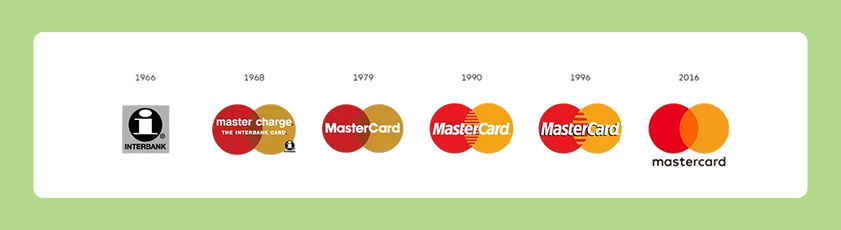
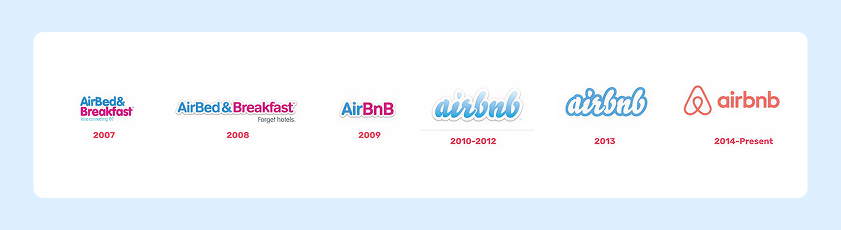
Consider Airbnb’s 2014 rebrand. The Bélo symbol unified the brand around belonging and supported global expansion. Consider Mastercard removing its name from the logo. That decision reflected strong brand equity built on disciplined brand identity strategy. Recognition on a design awards platform often signals that an identity system achieves this level of clarity and business alignment.
What Most Strategic Logo Design Gets Wrong
Many identity projects fail because they focus only on visuals. Common mistakes include designing before defining positioning, copying trends instead of building differentiation, and delivering a logo without a scalable system. Award winning brand identity design begins with strategy. A strong strategic logo design compresses market differentiation, emotional positioning, and business ambition into a single visual asset. Without this foundation, branding for founders becomes reactive rather than intentional.
A Real Logo Design Case Study: We Company
Full project here: https://www.wewantdesign.co/portfolio/we-company
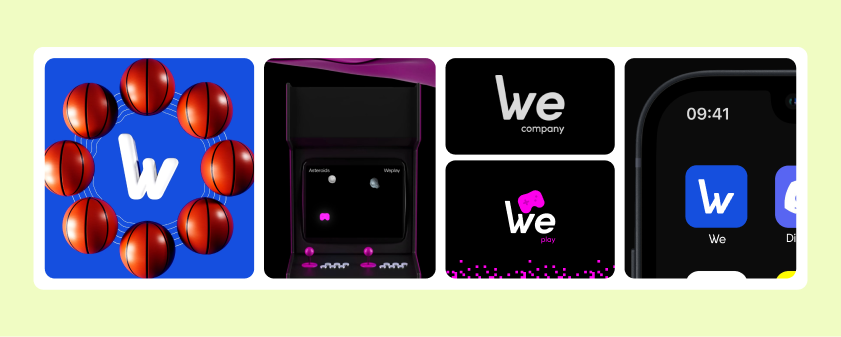
This logo design case study demonstrates how award-winning brand identity design is built from the inside out. The process began with defining core positioning, competitive landscape, brand personality, and audience perception goals. This ensured the identity would support long-term brand positioning for startups rather than short-term aesthetics. Stripe offers a similar example. Its identity mirrors product simplicity and reinforces its developer-friendly positioning. We Company followed the same principle. Form followed strategy.
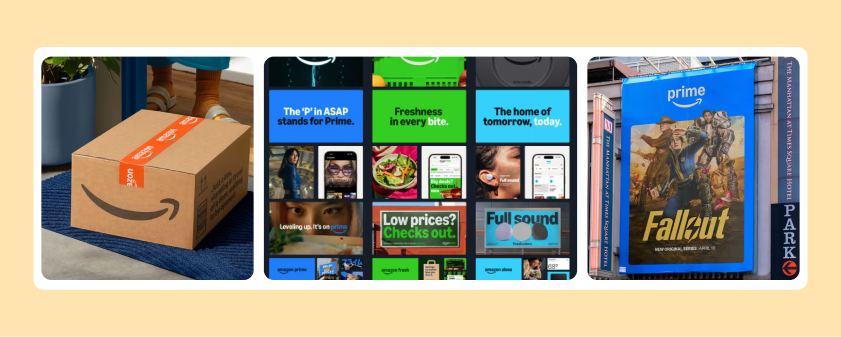
Strong strategic logo design embeds meaning with intent. FedEx hides an arrow between the E and X to reinforce speed and direction. Amazon uses an arrow from A to Z to communicate range and optimism. These are not decorative decisions. They are strategic signals. The We Company mark was developed with layered meaning and structural clarity, designed to function seamlessly across digital environments and physical assets without losing integrity. This systems thinking contributes directly to award-winning brand identity design.

Identity As A Creative Brand Identity System
A creative brand identity system extends beyond a mark. It includes typography hierarchy, colour psychology, layout rules, motion potential, and digital scalability. Instagram’s 2016 rebrand demonstrates this clearly. The logo update was supported by a broader system shift across user interface and marketing communication. Recognition on platforms such as Best Designs on DesignRush often reflects this complete system thinking rather than isolated logo aesthetics. Exploring curated projects on the Best Designs on DesignRush page reveals how cohesive identity systems consistently outperform surface-level visuals.
Why Branding For Founders Must Be Strategic
For founders, brand identity is leverage. Award-winning brand identity design supports higher pricing power, faster investor trust, improved hiring appeal, and stronger conversion rates. Premium brands rarely compete on price alone. They compete on perception. Apple’s identity system reinforces precision and simplicity at every touchpoint. That cohesion enables premium positioning globally. Brand positioning for startups becomes easier when identity communicates clarity before a sales conversation even begins.
How Designers Can Build Award-Winning Brand Identity Design
Designers aiming for recognition on a design awards platform should prioritise research before visuals, narrative clarity before symbolism, scalability before stylistic experimentation, and business alignment before presentation polish. Study global brands such as Nike, Spotify, and Airbnb. Each demonstrates how brand identity strategy shapes long-term growth. Recognition follows discipline, not decoration.
Building Premium Positioning Through Identity
We Want Design approaches identity as business architecture. As a premium branding agency, the focus is on developing identity systems that scale across web, marketing, and product experiences. Its parent company, Buzz Interactive, amplifies this foundation through immersive digital platforms and performance-driven websites that reinforce brand equity across channels. When strategic logo design integrates seamlessly into digital experience, growth compounds. That alignment forms the backbone of award winning brand identity design.
Final Reflection
Awards are not the objective. Clarity is. Award-winning brand identity design reflects deep brand identity strategy, thoughtful execution, and measurable business alignment. For founders and designers, the real question remains simple. Is your identity visually attractive or strategically transformative? The market consistently rewards the latter.


.svg)